







A single 1/32-inch layer of mineral scale reduces cooling tower heat transfer efficiency by 25%. That performance loss translates directly into higher energy bills, accelerated equipment degradation, and unplanned facility downtime.
Cooling tower water treatment combines chemical dosing, mechanical filtration, and continuous monitoring to protect recirculating cooling systems from four primary threats. These threats are mineral scale buildup, metallic corrosion, biological contamination, and particulate fouling.
Industrial and commercial facilities that operate cooling towers without a structured water treatment program face compounding damage to heat exchangers, piping, and critical system components. Untreated systems also create conditions for Legionella bacteria proliferation, a documented public health concern regulated under ASHRAE Standard 188.
Effective cooling tower water treatment programs reduce operating costs by 20 to 40 percent through lower energy consumption, extended equipment life, and decreased water waste.
This guide covers the root causes of cooling tower water quality problems, the chemicals and filtration processes used to solve them, and the maintenance practices that keep treatment systems performing at peak efficiency year-round.
What Is Cooling Tower Water Treatment and Why Does Every Facility Need It?
Cooling tower water treatment is a structured combination of chemical, mechanical, and filtration processes that remove scale-forming minerals, prevent corrosion, control biological growth, and maintain heat transfer efficiency in recirculating cooling systems.
Cooling towers lose water through evaporation during normal operation. Fresh makeup water replaces that loss, but every gallon of incoming water carries dissolved minerals, suspended solids, and organic contaminants. As water cycles through the system repeatedly, these impurities concentrate at 3 to 10 times their original levels.
That concentration process accelerates scale formation on heat exchange surfaces, increases the corrosion rate of metal components, and provides nutrients for bacteria and algae growth. Facilities that delay or skip water treatment programs typically experience 20 to 30 percent efficiency losses within 12 to 18 months of operation.
Every facility with a cooling tower requires active water treatment regardless of system size, water source quality, or geographic location.
Which Industries Depend on Cooling Tower Water Treatment?
HVAC systems in commercial buildings and healthcare facilities represent the largest installed base of cooling towers in North America. Hospitals and long-term care facilities face additional Legionella compliance requirements under state health regulations and ASHRAE 188 guidelines.
Power generation plants use cooling towers to reject waste heat from turbine condensers. Manufacturing operations in food and beverage processing, pharmaceutical production, and chemical processing depend on cooling towers for temperature control during production cycles.
Oil and gas refineries, mining operations, and municipal wastewater treatment plants operate cooling towers in high-demand, continuous-duty applications. Data centers represent one of the fastest-growing sectors for cooling tower installations, with facilities requiring consistent temperature management for server equipment reliability.
Each industry presents unique water chemistry challenges based on local water source quality, operating temperatures, and discharge compliance requirements.
What Are the 4 Primary Threats to Untreated Cooling Tower Water?
Untreated cooling tower water faces four primary threats: mineral scale deposits that insulate heat transfer surfaces, metallic corrosion that weakens piping and equipment, biological growth including Legionella bacteria, and particulate fouling from airborne debris and suspended solids.
Each threat compounds the others when left unaddressed.
Scale Buildup from Calcium and Magnesium Deposits
Scale forms when dissolved minerals, primarily calcium carbonate and magnesium silicate, exceed their saturation points and crystallize onto hot metal surfaces. Cooling towers concentrate these minerals through repeated evaporation cycles, pushing hardness levels well beyond saturation thresholds.
The operational impact is measurable. A 1/32-inch scale layer reduces heat transfer efficiency by 25% and increases energy consumption by 10 to 30 percent. Scale deposits also narrow flow passages, raise system pressure, and accelerate corrosion underneath the mineral layer through a process called scaling corrosion.
Facilities with high-hardness source water face the greatest risk without pretreatment or chemical antiscalants in place.
Corrosion Damage to Metal Surfaces and Equipment
Corrosion is the electrochemical degradation of metals exposed to cooling water. Three common types affect cooling tower systems: galvanic corrosion between dissimilar metals, pitting corrosion that creates localized perforation, and erosion corrosion from high-velocity water flow across metal surfaces.
Low pH levels below 7.0, elevated dissolved oxygen, and high chloride concentrations all accelerate corrosion rates. Visible indicators include iron oxide (rust) deposits in basin water and pinhole leaks in piping and heat exchanger tubes.
Uncontrolled corrosion reduces equipment life by 40 to 60 percent and causes unplanned downtime that disrupts production schedules. Replacement parts and emergency repairs represent significant cost exposure for facilities without corrosion inhibitor programs.
Biological Growth, Biofilm, and Legionella Bacteria Risk
Cooling towers provide ideal conditions for biological growth. Warm water temperatures between 85 and 95 degrees Fahrenheit, constant air exposure, and dissolved nutrients support rapid proliferation of bacteria, algae, and fungi.
Biofilm forms when microorganisms attach to wet surfaces and produce a protective slime layer. That layer insulates heat transfer surfaces, harbors corrosion-causing bacteria, and resists standard chemical treatment penetration.
Legionella pneumophila presents the most serious health risk. This bacteria causes Legionnaires' disease, which proves fatal in approximately 1 out of every 10 cases according to CDC data. Healthcare facilities, hotels, and commercial buildings face strict compliance requirements under ASHRAE Standard 188 for water management plans designed to minimize Legionella risk.
Routine microbiological testing and biocide treatment programs are the primary controls against biological contamination. Disinfection systems that combine chemical and UV-based methods provide multi-barrier protection against biological threats.
Fouling from Suspended Solids and Airborne Debris
Fouling occurs when particulate matter accumulates in cooling water and settles on system surfaces. Open cooling towers draw airborne contaminants, including dirt, sand, pollen, and organic debris, directly into the water through evaporative air contact.
Suspended solids reduce flow rates through heat exchangers, block nozzles and distribution decks, and increase pump energy demand. Sediment accumulation in tower basins creates breeding grounds for bacteria and accelerates under-deposit corrosion.
Fouling compounds the damage from scale and biological growth rather than acting as an isolated problem. Side-stream cartridge filtration systems remove particulates continuously and represent one of the most cost-effective fouling prevention methods available. Understanding which water treatment chemicals prevent scaling and fouling adds another layer of protection for recirculating systems.
What Chemicals Are Used to Treat Cooling Tower Water?
Cooling tower water treatment uses three categories of chemicals: corrosion inhibitors that form protective films on metal surfaces, scale inhibitors that prevent mineral crystallization, and biocides that eliminate bacteria, algae, and Legionella to maintain safe and efficient system operation.
Chemical selection depends on water source quality, system metallurgy, operating temperatures, and local discharge regulations. Most treatment programs combine all three chemical categories into a coordinated dosing schedule managed through automated feed systems.
Corrosion Inhibitors for Metal Protection
Phosphate-based and molybdate-based corrosion inhibitors form a thin protective barrier on metal surfaces that prevents electrochemical reactions between the water and system metals. These chemicals operate at typical dosage ranges of 2 to 10 ppm depending on system volume and water chemistry.
Filming amines provide corrosion protection in closed loop systems where water recirculates without evaporative losses. Consistent monitoring of inhibitor residual levels ensures the protective film remains intact across all metal components.
Effective corrosion inhibitor programs delivered through chemical injection systems extend equipment life by 5 to 10 years and reduce annual maintenance costs by 15 to 25 percent compared to untreated systems.
Scale Inhibitors for Mineral Control
Phosphonate and polymer-based scale inhibitors prevent mineral crystallization through threshold inhibition. This mechanism disrupts crystal growth at low chemical doses, typically 5 to 15 ppm, keeping calcium carbonate, calcium sulfate, and silica dissolved in the water rather than deposited on heat transfer surfaces.
Scale inhibitors protect heat exchanger efficiency and reduce energy consumption by maintaining clean metal surfaces. Treatment programs adjust inhibitor dosing based on cycles of concentration, makeup water hardness, and seasonal temperature changes.
Combining scale inhibitors with proper blowdown management delivers the greatest savings in cooling tower water treatment cost.
Biocides and Disinfection Agents for Biological Control
Oxidizing biocides such as chlorine and bromine destroy bacteria and algae through direct chemical reaction. Non-oxidizing biocides target specific organisms and penetrate biofilm layers that oxidizing agents cannot reach alone.
Effective disinfection programs alternate between oxidizing and non-oxidizing biocides to prevent microbial resistance. Chlorine dioxide offers advanced disinfection performance for facilities with persistent Legionella concerns or heavy biological loading. Ultraviolet sterilization systems provide chemical-free supplemental disinfection for facilities that need to minimize biocide discharge.
Biocide dosing frequency ranges from continuous feed to intermittent shock treatments depending on system demand and seasonal biological activity. Compliance with ASHRAE 188 requires documented disinfection protocols and regular testing to verify biological control effectiveness.
Disinfection is an ongoing program, not a one-time treatment.
How Does the Cooling Water Treatment Process Work?
The cooling water treatment process operates in three stages: makeup water pretreatment removes incoming contaminants through filtration and softening, chemical feed systems inject corrosion and scale inhibitors at controlled rates, and blowdown management removes concentrated dissolved solids from the recirculating system.
Each stage addresses a different point in the water cycle, and all three stages must function together for the treatment program to deliver consistent results.
Makeup Water Pretreatment and Filtration
Makeup water is the fresh water added to a cooling tower to replace evaporative losses. Every gallon of incoming water carries dissolved minerals, suspended particles, and potential contaminants that affect downstream treatment performance.
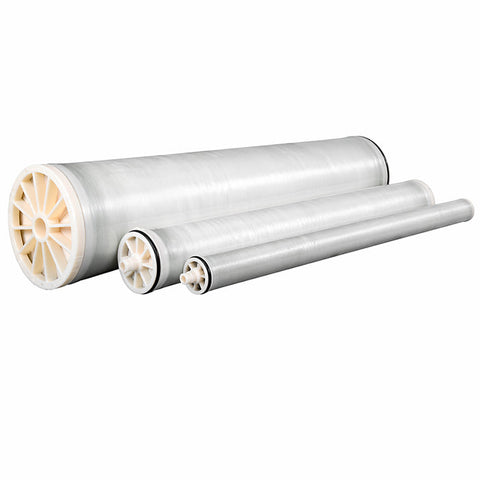
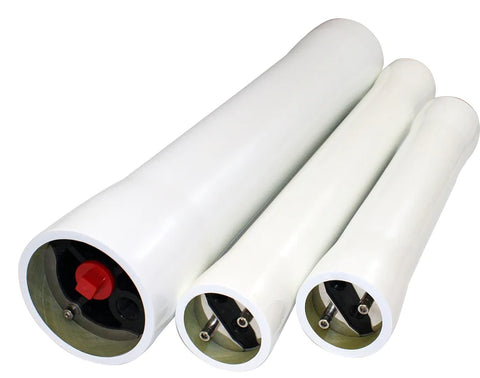
Pretreatment methods vary based on source water quality. Sediment filtration removes particulates above 5 microns. Water softening through ion exchange reduces calcium and magnesium hardness that causes scale formation. Reverse osmosis produces high-purity makeup water for systems with strict quality requirements. Ultrafiltration provides an additional barrier against fine particles and biological contaminants. Facilities with high fouling potential benefit from low fouling RO membranes designed for challenging source water conditions.
Manufacturers like AXEON Supply provide reverse osmosis and ultrafiltration systems designed for industrial and commercial pretreatment applications. Proper pretreatment reduces chemical consumption, extends equipment life, and lowers total treatment costs across the entire cooling system.
Chemical Feed Systems and Automated Monitoring
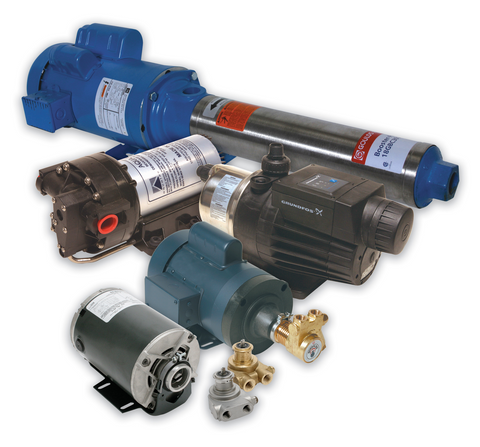
Chemical feed pumps deliver precise volumes of corrosion inhibitors, scale inhibitors, and biocides into the recirculating water at controlled intervals. Injection pump calibration and flow meter verification ensure accurate dosing rates that match actual system demand.
Automated monitoring systems track four critical water chemistry parameters in real time: pH, conductivity, oxidation-reduction potential (ORP), and total dissolved solids. Controller-based automation adjusts chemical feed rates based on sensor readings, eliminating manual dosing errors and response delays.
Data logging captures treatment performance trends over time. That historical record identifies seasonal shifts in water chemistry, flags equipment malfunctions early, and provides documentation for compliance audits. Understanding how flow meters and pressure gauges improve system diagnostics helps facilities optimize both treatment and monitoring programs.
Automated systems represent the most effective and efficient approach to maintaining consistent water chemistry in cooling tower operations.
Blowdown Management and Discharge Compliance
Blowdown is the controlled removal of concentrated water from the cooling system. As water evaporates through the tower, dissolved minerals and solids concentrate in the remaining volume. Blowdown prevents that concentration from exceeding treatment thresholds.
Cycles of concentration (COC) measure how many times minerals have concentrated relative to the makeup water. Most systems target 5 to 8 cycles as the optimal balance between water conservation and water quality control.
Increasing COC from 3 to 6 reduces makeup water demand by approximately 20 percent and cuts chemical consumption proportionally. Automated blowdown controllers maintain target conductivity levels and reduce water waste compared to manual drain schedules.
Discharge regulations vary by municipality. Local sewer discharge permits specify limits on pH, temperature, chemical residuals, and total dissolved solids. Facilities must track discharge volume and chemistry to maintain environmental compliance. Wastewater treatment or water reuse programs offer sustainability benefits for operations with high blowdown volumes.
How Does Proper Water Treatment Reduce Cooling Tower Operating Costs?
Proper cooling tower water treatment reduces operating costs in three measurable areas: energy consumption drops 10 to 30 percent through scale prevention, equipment replacement intervals extend by 5 to 10 years through corrosion control, and water consumption decreases 20 to 40 percent through optimized blowdown cycles.
Facilities that invest in structured treatment programs recover the cost of chemicals and monitoring within the first 6 to 12 months of operation.
Energy Savings from Scale and Fouling Prevention
Scale and fouling deposits insulate heat transfer surfaces and force cooling systems to work harder to maintain target temperatures. Even 1mm of scale buildup increases energy consumption by 7.5 percent according to U.S. Department of Energy data.
Commercial HVAC systems allocate 30 to 50 percent of total building energy to cooling operations. Removing scale and fouling from that equation delivers significant reductions in electricity costs. Clean heat exchangers maintain design efficiency and reduce peak demand charges during high-load production periods.
Facilities that maintain scale-free systems through consistent chemical treatment and filtration programs report 15 to 25 percent lower annual energy costs compared to reactive maintenance approaches.
Equipment Life Extension and Reduced Maintenance
Proper water treatment extends cooling tower equipment life from a typical 10 to 15 years to 20 to 25 years. Corrosion inhibitor programs protect metal components, piping, and heat exchangers from premature degradation that leads to costly replacements.
Treated systems experience fewer unplanned shutdowns and emergency repairs. That reliability improvement matters most in continuous production environments where downtime halts output and delays delivery schedules.
Boiler and chiller systems connected to the cooling loop also benefit from cleaner water circulation. Reduced parts replacement frequency and lower maintenance labor hours contribute directly to operational cost savings across the entire facility.
Water Conservation Through Optimized Cycles of Concentration
Increasing cycles of concentration from 3 to 6 reduces makeup water demand by approximately 20 percent. That reduction translates into measurable savings on water purchase costs, sewer discharge fees, and chemical consumption.
Water-scarce regions impose additional surcharges and usage restrictions on high-volume commercial and industrial consumers. Optimized blowdown management helps facilities stay within allocation limits and avoid penalty pricing.
The total cost of water extends beyond the utility bill. Purchase, treatment, heating, and discharge fees combine to make every gallon of conserved water a direct operational savings. Efficient water management programs protect both the budget and the environment.
How Do You Keep Cooling Tower Water Clean Year-Round?
Keeping cooling tower water clean requires three ongoing practices: weekly water quality testing for pH, conductivity, and biological counts; quarterly physical inspections of tower components including fill media, basins, and drift eliminators; and documented water management plans aligned with ASHRAE 188 guidelines.
Consistent execution of these practices prevents small water chemistry deviations from escalating into costly system failures.
Routine Water Testing and Quality Monitoring Schedules
Automated sensors provide daily readings of pH, conductivity, and ORP to track water chemistry in real time. These readings detect shifts in mineral concentration, chemical residual levels, and biological activity before visible problems develop.
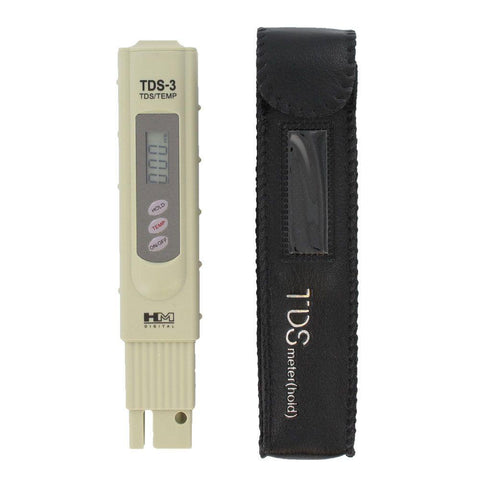
Weekly manual testing with bacteria dip slides and iron water test kits confirms automated readings and catches parameters that sensors do not measure. Handheld meters provide portable verification of TDS, pH, and conductivity at multiple sampling points throughout the system. Monthly comprehensive lab analysis covers the full mineral profile, microbial counts, and particle size distribution.
Documentation of all test results creates a performance baseline that identifies seasonal trends and supports compliance reporting.
Preventive Maintenance and Physical Inspection Best Practices
Quarterly physical inspections cover basin vacuuming, fill media condition checks, nozzle clearing, and drift eliminator integrity. Seasonal startup and shutdown procedures prepare cooling tower systems for changing demand loads and prevent stagnant water conditions during idle periods.
Cleaning schedules remove accumulated sediment, biofilm, and debris from basins and wet surfaces before they compromise treatment program effectiveness. Knowing how often filter cartridges need replacement helps facilities maintain consistent filtration performance between inspections. Facilities with multiple cooling towers benefit from staggered inspection schedules that maintain continuous cooling capacity.
ASHRAE 188 requires documented water management plans that outline inspection frequencies, corrective action protocols, and responsible personnel for every cooling tower system. Compliance with these requirements protects both equipment performance and public health.
Frequently Asked Questions About Cooling Tower Water Treatment
What Are the 4 Methods of Treating Water?
The four primary methods of treating cooling tower water are chemical treatment, filtration, ion exchange, and disinfection. Chemical treatment controls scale and corrosion. Filtration removes suspended solids and particulates. Ion exchange softens water by removing calcium and magnesium. Disinfection eliminates bacteria and biological contaminants.
How Much Does Cooling Tower Water Treatment Cost?
Cooling tower water treatment cost ranges from $0.50 to $3.00 per 1,000 gallons of circulating water. Total program cost depends on system size, water source quality, chemical requirements, and monitoring equipment. Facilities with pretreatment systems typically spend less on ongoing chemical consumption.
What Is the Best Cooling Tower Water Treatment Program?
The best cooling tower water treatment program integrates pretreatment filtration, automated chemical feed, continuous monitoring, and scheduled maintenance into a single coordinated system. Manufacturers like AXEON Supply provide filtration and reverse osmosis components that support the pretreatment stage of comprehensive treatment programs.
How Often Does Cooling Tower Water Need Testing?
Daily automated readings track pH, conductivity, and ORP continuously. Weekly manual tests confirm bacteria counts and chemical residual levels. Monthly lab analysis provides a complete water chemistry profile for compliance documentation and program optimization.