


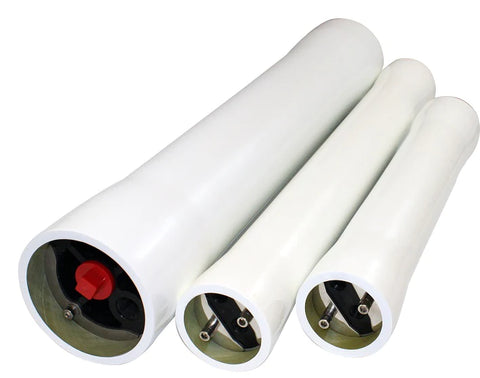

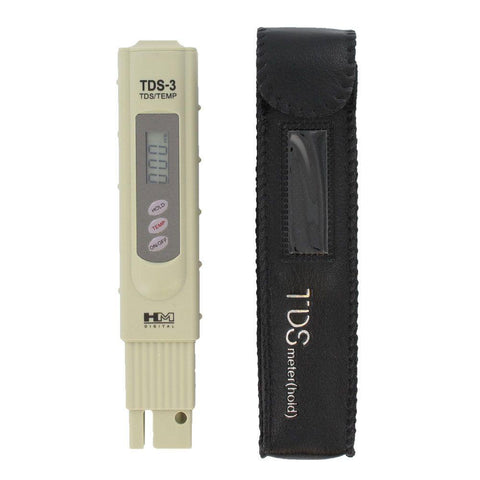


Manufacturing plants depend on consistent water quality to keep production stable, protect equipment, and meet regulatory obligations. Industrial water treatment provides the framework and technologies that condition raw water, prepare process and utility water, and treat wastewater. It covers everything from treating incoming raw water to managing wastewater for discharge or reuse.
By understanding how treatment processes work and how different systems fit together inside a plant, decision‑makers can choose better solutions, manage operating costs, and reduce the risk of downtime or non‑compliance.
What Is Industrial Water Treatment for Manufacturing Plants?
Industrial water treatment for manufacturing plants is the set of engineered processes used to condition, purify, and manage water at each stage of a facility’s operations.
The objective is to deliver the right water quality for each application while protecting equipment and meeting regulatory and corporate standards.
Industrial water treatment typically supports three broad areas: process and ingredient water, where specific purity, microbiological, and mineral targets must be met to protect product quality and safety; utility water, including boiler feed and cooling tower water, where treatment prevents scaling, corrosion, and biological growth that can damage assets or reduce efficiency; and wastewater treatment and reuse, where treatment removes contaminants so water can be discharged within permit limits or recycled back into the plant.
Effective industrial water treatment is not limited to installing a single piece of equipment. It combines water quality assessment, properly sized pretreatment, core treatment technologies (often membrane‑based), and polishing and monitoring steps configured for the plant’s specific processes.
When these elements work together, manufacturing plants gain more predictable operations, lower unplanned downtime, better control over chemical and energy use, and a stronger position for expanding production or tightening their environmental footprint over time.
What Types of Water Do Manufacturing Plants Need to Treat?
Manufacturing plants treat several distinct water streams, and each one has different quality and treatment requirements. Understanding these streams helps define what the overall industrial water treatment system must do and where specific technologies are required.
Raw and Makeup Water for Plant Processes
Raw and make‑up water is the incoming water that feeds production, utilities, and sometimes initial rinsing or washing steps. It can come from municipal supplies, wells, or surface sources, and often contains suspended solids, hardness, organic matter, and dissolved salts.
Treatment typically focuses on removing particles, reducing turbidity, and managing hardness and other minerals so downstream equipment and processes operate consistently.
Ingredient water for food and beverage applications
In food processing and beverage production, ingredient water directly enters the product or contacts product surfaces. Depending on the product and process, ingredient water may have strict requirements for microbiological quality, taste, odor, alkalinity, hardness, and mineral composition.
Treatment can combine fine filtration, membrane processes, and disinfection steps to deliver water that meets both regulatory expectations and internal quality standards.
Boiler feed water for steam and thermal systems
Boiler feed water supplies steam generation and high-temperature processes. If hardness, silica, oxygen, and dissolved solids remain too high, scaling and corrosion will reduce efficiency and cause premature failures. Required feedwater quality becomes more stringent as boiler operating pressure increases.
Boiler water treatment therefore aims to remove or strictly limit these constituents through softening, demineralization, membrane systems, and oxygen control, supported by ongoing monitoring and chemical conditioning.
Cooling-Tower Makeup and Circulating Water
Cooling systems rely on water that circulates through towers, heat exchangers, and process equipment. As water evaporates, dissolved solids concentrate and scaling, corrosion, and biological growth become more likely.
Cooling-tower makeup water treatment combines pretreatment, filtration, and chemical programs to control deposits and microorganisms, limiting energy losses and protecting equipment surfaces.
Rinse and wash water in production and finishing
Many plants use large volumes of water for rinsing parts, containers, or surfaces, especially in food processing, metal finishing, and electronics manufacturing. Contaminants such as fine particulate matter, oils, residual chemicals, or microorganisms must be removed to ensure consistent cleanliness and prevent defects.
Treatment may include filtration, oil separation, and, where needed, polishing to maintain stable rinse quality or enable partial reuse.
Wastewater and internal reuse streams
Wastewater collects contaminants from process steps, utilities, and cleaning operations. Typical parameters of concern include suspended solids, oils and greases, heavy metals, COD/BOD, nutrients, and specific process‑related compounds.
Treatment trains are designed to meet discharge permits and, where feasible, to produce water suitable for internal reuse in non‑critical applications, reducing freshwater demand and overall discharge volumes.
What Does the Industrial Water Treatment Process Typically Include?
Industrial water treatment in manufacturing plants follows a structured sequence that starts with understanding water quality and ends with compliant discharge or reuse. Each stage builds on the previous one, so deficiencies early in the treatment train often result in downstream fouling, downtime, or compliance problems.
1. Water quality assessment and performance goals
The process begins with a detailed assessment of water sources (such as municipal supply, wells, or surface water) and the specific requirements of each use point in the plant.
This assessment includes analyzing parameters like turbidity, hardness, TDS, silica, metals, organics, microorganisms, and any process‑specific contaminants. At the same time, the plant defines target water qualities for process water, boiler and cooling systems, and discharge or reuse, along with flow rates and variability over time. This combination of analysis and performance goals sets the design basis for the entire treatment train.
2. Pretreatment to Protect Downstream Systems
Pretreatment prepares incoming water so core treatment technologies can operate efficiently and within their design range. Typical steps include coarse screening or straining to remove large debris, followed by sedimentation or media filtration to reduce suspended solids and turbidity.
Cartridge filters or fine filtration stages may be added where tighter particle control is needed. In many cases, softening or chemical dosing (for example, coagulants, pH adjustment, or antiscalants) are used to reduce scaling and fouling risks. Effective pretreatment stabilizes feedwater conditions, which extends membrane and equipment life and lowers maintenance frequency.
3. Main treatment using separation and purification technologies
The main treatment stage applies the core separation technologies that achieve the required reduction in dissolved and fine particulate contaminants. Membrane systems such as microfiltration and ultrafiltration remove suspended solids, colloids, and many microorganisms, while nanofiltration and reverse osmosis reduce dissolved salts, hardness ions, and many dissolved organic compounds, although rejection varies by molecular size, charge, membrane type, and operating conditions.
Ion exchange systems may be used where specific ions must be removed or where very low conductivity is required, such as in high-pressure boiler feed. The configuration and sizing of these systems are selected based on the plant's water chemistry, capacity needs, and reliability requirements.
4. Polishing and disinfection for final quality control
After the main treatment, polishing steps ensure that water meets any remaining quality targets for sensitive applications. Polishing can involve activated carbon for reducing residual oxidants and certain organic compounds, mixed-bed ion exchange for final conductivity reduction, or additional fine filtration.
Disinfection technologies, such as ultraviolet (UV) systems, ozone, or carefully controlled chemical disinfectants, are used to manage microbial risk in process and ingredient water. Because UV provides no residual protection, downstream storage and distribution must be properly designed and maintained to limit microbial regrowth. These polishing and disinfection stages provide a final safeguard against quality excursions before water enters production lines or utility systems.
5. Wastewater treatment and opportunities for reuse
Wastewater generated across the plant must be treated before discharge or reuse. Primary and secondary treatment steps can include equalization, pH adjustment, clarification, biological treatment for COD/BOD reduction, and targeted removal of oils, metals, or other regulated substances.
Where conditions allow, additional membrane or advanced treatment stages are applied to produce water suitable for reuse in non‑critical applications, such as cooling-tower makeup or certain wash operations.
By integrating wastewater treatment and reuse into the overall process, manufacturing plants reduce freshwater demand, lower discharge volumes, and improve their environmental and regulatory profile.
What Are the Key Technologies Used in Industrial Water Treatment?
Manufacturing plants rely on a combination of treatment technologies, each designed to solve a specific water quality problem. The right mix depends on source water characteristics, process requirements, and regulatory obligations, rather than any single “best” technology.
Filtration and clarification technologies
Filtration and clarification form the first barrier against suspended solids and visible impurities. Coarse strainers, screens, and multimedia filters remove larger particles and reduce turbidity so downstream equipment operates within design limits.
Cartridge filters and other fine filtration devices provide an additional level of protection for sensitive components by capturing smaller particles that would otherwise contribute to fouling. These technologies are often configured in stages, where each step handles a specific particle size range.
Membrane technologies
Membrane technologies use semi-permeable barriers to separate contaminants from water based on size and other properties. Microfiltration and ultrafiltration membranes remove suspended solids, colloids, and many microorganisms, making them effective as advanced pretreatment or as stand-alone clarification steps.
Nanofiltration and reverse osmosis go further by reducing dissolved salts, hardness ions, and many dissolved organic compounds, although rejection varies by molecular size, charge, membrane type, and operating conditions. In manufacturing plants, membrane systems are commonly used to produce high-purity process water, boiler feed water with low dissolved solids, and treated water for internal reuse.
Ion exchange and demineralization systems
Ion exchange systems replace selected dissolved ions with other ions held on a resin, depending on the treatment objective. For example, sodium-cycle softeners exchange calcium and magnesium for sodium, while demineralization systems use hydrogen- and hydroxide-form resins to remove dissolved ionic constituents. Softening systems use this principle to protect boilers, heat exchangers, and other equipment from scaling.
Demineralization systems, often using cation and anion exchange resins in sequence or mixed-bed configurations, can achieve very low conductivity levels where required. These systems are particularly important when steam quality, product purity, or equipment specifications do not tolerate residual mineral content.
Disinfection technologies
Disinfection technologies control microorganisms that can compromise product quality, biofoul equipment, or create health and safety concerns. Ultraviolet (UV) systems inactivate microorganisms without leaving a chemical residual, making them suitable for many process and ingredient water applications.
Chemical disinfectants, such as chlorine‑based compounds or other oxidants, are used where a measurable residual is needed in distribution. Ozone and other advanced disinfection methods can also be applied where strong oxidation is required.
The choice of disinfection method depends on the downstream process, materials of construction, and regulatory or quality requirements.
Advanced and specialized treatment processes
Some manufacturing plants face more complex water challenges that require advanced treatment approaches. Membrane bioreactors (MBRs) combine biological treatment with membrane separation to treat wastewater with high organic loads in a compact footprint.
Electrodeionization (EDI) integrates ion exchange resins and electric fields to produce very low-conductivity water without regular chemical regenerations, though it typically requires adequately pretreated RO permeate and does not eliminate all chemical use elsewhere in the system. Thermal technologies such as evaporators and crystallizers are used when high-salinity streams or stringent discharge limits make conventional approaches insufficient.
These specialized processes are applied selectively, typically where water quality, concentration, or regulatory drivers justify the added complexity and cost.
How Do Manufacturing Plants Choose an Industrial Water Treatment Partner?
Selecting an industrial water treatment partner is a long-term operational decision rather than a one-time equipment purchase. Plants look for providers that can understand their processes, design appropriate treatment trains, and support systems as production demands and regulatory requirements change.
A suitable partner combines engineering expertise, proven technologies, and dependable support so that water quality does not become a recurring source of risk.
Manufacturing teams typically evaluate potential partners on several practical criteria. They review industry and application experience, favoring companies that have delivered systems for similar sectors and water chemistries.
They assess the ability to design complete treatment trains, not just supply individual components, so that pretreatment, main treatment, and wastewater steps work together as an integrated system.
They also look for technical support across the lifecycle, including help with sizing, start‑up, troubleshooting, and optimization, backed by clear documentation, manuals, and training resources.
Decision‑makers also compare partners based on lifecycle cost transparency and regulatory knowledge. A reliable partner will provide realistic views of capital and operating costs, including energy, chemicals, consumables, and maintenance, rather than focusing only on initial purchase price.
They should also demonstrate familiarity with discharge permits, quality standards, and any industry‑specific guidelines that affect the plant.
When these elements are present, manufacturing plants can select a partner that not only supplies equipment but also contributes to stable operations, repeatable water quality, and ongoing compliance.
What Operational and Compliance Challenges Arise Without Effective Water Treatment?
When manufacturing plants operate without well‑designed and well‑maintained water treatment, the impact shows up quickly in production, costs, and compliance.
Water‑related issues tend to compound over time, so minor quality problems can become persistent sources of downtime and risk if they are not addressed systematically.
One of the most visible challenges is production downtime and equipment damage. Inadequate control of hardness, silica, dissolved solids, pH, dissolved gases, and treatment chemistry can contribute to scaling and corrosion in boilers, heat exchangers, piping, and other equipment, shortening asset life.
Fouling in membranes, filters, and cooling systems reduces flow, raises energy use, and forces unplanned shutdowns for cleaning or replacement. Each interruption affects throughput, delivery schedules, and overall reliability.
Poor water treatment also creates product quality and safety risks, especially where water directly contacts products or process surfaces. Inconsistent process or ingredient water quality can cause off‑spec batches, visible defects, or microbiological concerns that require rework or disposal.
At the same time, operating costs rise as plants consume more chemicals, use additional energy to overcome fouling and pressure losses, and replace components sooner than planned.
On the regulatory side, insufficient wastewater treatment can lead to non‑compliance with discharge permits, resulting in fines, increased scrutiny, or enforced capital projects.
Together, these issues make it harder to meet water-efficiency, discharge-reduction, and corporate sustainability goals, since high freshwater intake and uncontrolled discharges work against those objectives.
How Can Manufacturing Plants Improve and Optimize Existing Water Treatment Systems?
Many manufacturing plants already have basic water treatment in place, but performance issues, higher operating costs, or new quality and compliance requirements often show that optimization is necessary.
Optimizing an existing system often produces better results and a faster payback than replacing the entire treatment train, particularly when upgrades target known bottlenecks.
A practical optimization program starts with a structured audit of the current water balance and treatment performance. This includes mapping all water sources, use points, and discharge streams, along with flow rates, key quality parameters, and historical issues such as scaling, fouling, or compliance excursions.
With this picture in place, plants can assess pretreatment effectiveness, checking whether current filtration and clarification steps adequately protect membranes, ion exchange units, boilers, and cooling systems.
If not, improving pretreatment through better media selection, additional filtration stages, or refined chemical dosing often reduces fouling, stabilizes downstream performance, and extends equipment life.
Once the foundations are solid, plants can focus on targeted upgrades in critical areas. Common improvements include adding ultrafiltration ahead of reverse osmosis, upgrading membrane elements to more efficient or robust types, or introducing better instrumentation and controls for pressure, flow, and quality monitoring.
Strengthening monitoring and data logging allows teams to detect trends and deviations early, so they can intervene before problems escalate into downtime. In parallel, implementing a structured preventive maintenance program, with defined cleaning, inspection, and replacement intervals, reduces unexpected failures.
By implementing these changes in stages, starting with high‑impact uses such as boiler feed water, critical process water, or internal reuse streams, manufacturing plants can steadily improve performance, reduce operating costs, and build confidence in the reliability of their water treatment assets.
What Should You Look For in Information and Resources About Industrial Water Treatment?
When plant teams research industrial water treatment, the quality of information they rely on directly affects the decisions they make. Resources that are complete, transparent, and grounded in practical experience make it easier to design or upgrade systems with confidence, while shallow or overly promotional material can lead to oversights and costly rework.
High‑quality resources clearly show who created the content and why they are qualified to explain the topic. They identify the author or organization, highlight relevant experience in industrial water treatment, and provide enough background for readers to judge credibility.
The explanations themselves go beyond basic definitions, offering complete process overviews, clear descriptions of key technologies, and practical examples that connect water treatment decisions to real‑world plant outcomes.
Useful material also demonstrates how conclusions were reached, for example by referencing common standards, engineering principles, or typical operating ranges without over‑promising. It avoids vague claims, unexplained rankings, or unqualified superlatives, and instead presents balanced guidance that helps readers compare options.
When evaluating resources, manufacturing teams can prioritize pages that explain the context, constraints, and trade‑offs behind different treatment choices, rather than content that focuses mainly on promoting a single product or brand.
Conclusion and Next Steps
Effective industrial water treatment is central to reliable manufacturing operations. When plants treat raw, process, utility, and wastewater streams in a coordinated way, they protect critical equipment, stabilize product quality, meet discharge and reuse requirements, and gain more control over long-term operating costs and water use.
The concepts covered in this article, including water types, typical process steps, core technologies, partner selection, risk awareness, and system optimization, give decision-makers a structured framework for evaluating their facilities.
In practice, most manufacturing plants work with specialized industrial water treatment providers to design, supply, and support their treatment trains over many years.
AXEON Water Technologies has more than three decades of experience engineering and manufacturing membrane filtration systems and components, while AXEONSupply.com provides manufacturing plants with access to industrial and commercial water treatment systems, replacement components, and related equipment, backed by dedicated engineering support.
If you are evaluating how to upgrade or troubleshoot your existing treatment train, reviewing technical resources and product information on AXEONSupply.com can help you prepare for discussions with your internal team or a qualified water treatment specialist.