





Residential and commercial RO membranes differ in flow rate, membrane element size, operating pressure, and application environment. Residential RO membranes produce 50–100 GPD at 40–90 psi. Commercial RO membranes produce 200–16,000 GPD at operating pressures up to 200 psi.
What Is a Residential RO Membrane?
A residential RO membrane is a compact filtration element designed for point-of-use drinking water systems in single-family households. Residential RO membranes produce 50–100 gallons per day (GPD) at 40–90 psi with a feed TDS tolerance of less than 1,000 ppm. Salt rejection rates measure 96–98% with a standard recovery rate of approximately 33%. Compatible housing formats measure 11.75" × 1.75" for standard under-sink and countertop RO systems. AXEON Supply carries residential RO membrane elements compatible with standard home RO systems.
What Is a Commercial RO Membrane?
A commercial RO membrane is a high-capacity filtration element designed for continuous, high-volume water production in non-residential applications. Commercial RO membranes produce 200–16,000 GPD at operating pressures up to 200 psi with a feed TDS tolerance up to 2,000 ppm. Salt rejection rates measure 98–98.5% with recovery rates of 32–75% depending on system configuration. Standard membrane element sizes include 2514, 3012, and 3018 for light commercial systems and 4040 (4" × 40") for commercial and industrial systems. AXEON Supply stocks commercial membrane elements in 4040 configurations, including NSF-61 certified options.
What Are the Differences Between Residential and Commercial RO Membranes?
The 6 primary differences between residential and commercial RO membranes are flow rate, membrane element size, operating pressure, feed TDS tolerance, recovery rate, and application environment.
| Difference Factor | Residential RO Membrane | Commercial RO Membrane |
|---|---|---|
| Flow Rate (GPD) | 50–100 GPD | 200–16,000 GPD |
| Membrane Element Size | Compact (50 GPD format) | 2514, 3012, 3018, 4040 |
| Operating Pressure (psi) | 40–90 psi | Up to 200 psi |
| Feed TDS Tolerance (ppm) | Less than 1,000 ppm | Up to 2,000 ppm |
| Salt Rejection Rate | 96–98% | 98–98.5% |
| Recovery Rate | ~33% | 32–75% |
Applying a residential RO membrane to a commercial flow rate demand reduces membrane lifespan from 2–3 years to 3–6 months due to flux demand exceeding the element's rated GPD capacity. Feed TDS tolerance is the second critical selection factor — a residential membrane exposed to feedwater above 1,000 ppm produces accelerated membrane fouling and declining salt rejection performance.
How Do Operating Pressure Requirements Differ?
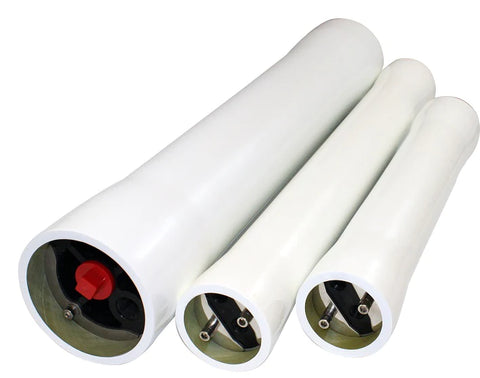
Residential RO membranes operate at 40–90 psi; commercial RO membranes operate at up to 200 psi, and industrial-grade membranes operate at up to 220 psi. Commercial membranes require higher operating pressure because commercial feedwater TDS reaches up to 2,000 ppm, requiring greater hydraulic force to maintain 98–98.5% salt rejection rates. Higher operating pressure also requires compatible fiberglass (FRP) or stainless steel membrane housings — standard residential plastic housings are not rated for commercial operating pressures. AXEON Supply carries FRP and stainless steel membrane housings compatible with commercial pressure requirements.
What Membrane Sizes Do Residential and Commercial RO Systems Use?
Residential RO systems use compact membrane elements; commercial RO systems use standardized element sizes ranging from 2514 to 4040. The 5 standard RO membrane element sizes by application are:
- Compact 50 GPD — residential point-of-use and under-sink systems
- 2514 (2.5" × 14") — light commercial systems, 200–300 GPD
- 3012 (3" × 12") — light commercial systems, 350–500 GPD
- 3018 (3" × 18") — light commercial systems, 750–1,500 GPD
- 4040 (4" × 40") — commercial and industrial systems, 2,000–16,000 GPD
Selecting the wrong membrane element size causes improper fit within the membrane housing, producing bypass leakage and reduced salt rejection performance.
Which Applications Require a Commercial RO Membrane?
Commercial RO membranes are used in 6 primary application environments that require continuous high-volume water production beyond 200 GPD:
- Restaurants and cafes — coffee brewing, food preparation, and ice machine water supply
- Car wash facilities — spot-free rinse systems requiring low TDS output water
- Hydroponics and greenhouse operations — controlled mineral content water for plant nutrient systems
- Hotels and commercial hospitality — kitchen water supply and laundry water treatment
- Light manufacturing and electronics — process water requiring consistent TDS reduction
- Commercial real estate — building-wide water treatment systems serving multiple units or floors
| If you need... | Choose… |
|---|---|
| Drinking water for home | Residential membrane |
| Restaurant or café | Commercial membrane |
| Car wash | Commercial membrane |
| Hotel | Commercial membrane |
| >200 GPD | Commercial membrane |
| Under-sink RO | Residential membrane |
How Long Do Residential vs. Commercial RO Membranes Last?
Residential RO membranes last 1–3 years; commercial RO membrane elements last 2–5 years under proper operating conditions. Membrane lifespan is determined by 3 factors: feedwater TDS level, operating pressure consistency, and pre-filtration quality. A residential membrane applied to commercial flow rates degrades in 3–6 months due to flux demand exceeding the element's rated GPD capacity. Sediment and carbon block pre-filters directly extend membrane lifespan by reducing particulate and chlorine exposure — AXEON Supply carries sediment and carbon block filter cartridges compatible with both residential and commercial RO systems.
How to Choose the Right RO Membrane for Your System?
Selecting the correct RO membrane requires matching 5 system parameters to the membrane's rated specifications:
- Measure your system's daily water demand in gallons per day (GPD) to determine the required membrane flow rate
- Identify the existing membrane housing size — compact, 2514, 3012, 3018, or 4040 — to confirm compatible element dimensions
- Test your feedwater TDS (ppm) to confirm the membrane's rated feed TDS tolerance matches your source water quality
- Verify the system's operating pressure (psi) falls within the membrane's rated pressure range
- Check for NSF-61 certification if the membrane serves applications governed by drinking water standards
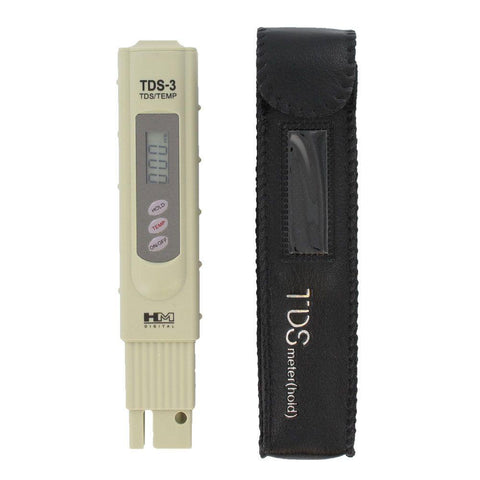
AXEON Supply carries residential and commercial RO membrane elements, compatible FRP and stainless steel membrane housings, TDS meters, and pressure gauges to support complete membrane selection and replacement.
What Is the Cost Difference Between Residential and Commercial RO Membranes?
Residential RO membrane elements cost $15–$60 per unit with a replacement interval of every 1–2 years. Commercial 4040 membrane elements cost $80–$250+ per unit depending on configuration and NSF-61 certification, with a replacement interval of every 2–5 years. The total cost per gallon produced by a single commercial 4040 membrane element is lower than stacking multiple residential membrane elements to achieve equivalent GPD output — making commercial membrane elements the more cost-efficient selection for facilities producing more than 200 GPD daily.