





Delivering a consistent, high-quality guest experience is one of the most important factors in hospitality success. While hotels and restaurants invest heavily in amenities, service, and facility upgrades, water quality often has a greater impact on guest satisfaction than many operators realize.
From the taste of drinking water and coffee to the performance of ice machines, dishwashers, and guest room fixtures, water quality influences nearly every aspect of daily operations. Poor water quality can lead to unpleasant tastes and odors, scale buildup, equipment failures, higher maintenance costs, and negative guest reviews.
Implementing the right hotel water treatment system helps hospitality businesses improve water quality for specific applications, protect equipment, and deliver a more consistent guest experience.
Whether managing a boutique hotel, full-service resort, restaurant, or large hospitality property, investing in effective water treatment solutions can support both guest satisfaction and long-term profitability.
In this guide, we'll explore common hospitality water quality challenges, compare commercial water treatment technologies, and outline practical solutions that help hotels and restaurants improve water quality throughout their properties while protecting their brand reputation.
Understanding Water Quality Challenges in Hospitality
Water quality affects far more than what guests see in a glass. Throughout a hotel or restaurant, water influences beverage quality, food preparation, equipment performance, housekeeping operations, laundry efficiency, and overall guest satisfaction.
When water quality issues go unaddressed, they can lead to increased operating costs, equipment downtime, compliance concerns, and negative guest perceptions.
Hospitality properties often face a combination of challenges, including hard water, chlorine taste and odor, sediment, corrosion, staining, and microbial risks. Understanding how these issues affect different areas of a property is the first step toward selecting the right water treatment solutions and building an effective water management strategy.
Taste and Odor Issues in Hotel Water
Guests expect drinking water, ice, coffee, tea, and fountain beverages to taste clean and refreshing. However, municipal water supplies often contain chlorine, chloramines, organic compounds, or naturally occurring minerals that can create unpleasant tastes and odors. Properties should confirm whether the municipal disinfectant is free chlorine or chloramine, since chloramine generally requires greater carbon capacity or specialized catalytic media than free chlorine at the same flow rate.
These issues can negatively impact guest perceptions, especially in restaurants, bars, cafés, and in-room beverage services. Even when water meets regulatory standards, undesirable taste and odor can result in complaints, poor online reviews, and reduced guest satisfaction.
Properly selected sediment and activated-carbon filtration can reduce particles, chlorine, and certain taste-and-odor compounds. Other water-quality concerns may require softening, membrane treatment, oxidation, disinfection, or specialty media. Point-of-use filtration for beverage equipment and drinking water stations can improve consistency and support a better guest experience.
Scaling and Mineral Buildup in Kitchen Equipment
Hard water is one of the most common water quality challenges in the hospitality industry. Water containing elevated levels of calcium and magnesium can create scale deposits inside equipment, reducing performance and increasing maintenance requirements.
Scale buildup commonly affects:
- Dishwashers
- Steamers
- Combi ovens
- Water heaters
- Boilers
- Ice machines
- Coffee equipment
Over time, mineral deposits reduce heat transfer efficiency, increase energy consumption, and contribute to premature equipment failure. These issues can result in unexpected downtime and costly repairs.
Commercial water softeners use ion exchange to replace calcium and magnesium with sodium or potassium ions before water enters the equipment, reducing hardness-related scale formation and helping extend equipment service life.
Reducing scale can help preserve heat-transfer efficiency and may reduce cleaning and maintenance requirements, though results depend on source-water chemistry, equipment type, and maintenance practices.
Corrosion and Staining in Hotel Fixtures
Corrosion and staining can damage both guest perceptions and facility infrastructure. Water with improper pH levels or elevated concentrations of iron, manganese, or other dissolved metals may leave visible stains on sinks, bathtubs, showers, toilets, and linens.
Common signs include:
- Rust-colored stains
- Blue-green discoloration
- Fixture deterioration
- Premature plumbing wear
- Linen staining
Beyond aesthetics, corrosion can shorten the lifespan of plumbing systems and increase maintenance costs. Guests often associate visible staining with poor cleanliness, even when sanitation standards are being maintained.
Targeted water treatment systems, including iron filtration, pH correction, and specialty media filtration, help reduce staining and protect both plumbing assets and guest-facing facilities.
Microbial Risks and Compliance in Water Treatment
Maintaining safe water quality is essential for guest health, regulatory compliance, and risk management. While municipal treatment facilities provide primary disinfection, hotels and resorts must still manage water quality within their own distribution systems.
Areas that require particular attention include:
- Cooling towers
- Decorative water features
- Swimming pools
- Spas and hot tubs
- On-site water storage systems
- Low-use plumbing fixtures
Without proper water management practices, these systems can create conditions that support microbial growth and waterborne pathogens, including Legionella. Hotels and resorts should maintain a documented building-water management program addressing Legionella and other waterborne pathogens. Cooling towers, hot-water systems, spas, decorative features, storage tanks, and low-use fixtures may require application-specific monitoring, temperature control, flushing, disinfection, maintenance, and corrective-action procedures.
A comprehensive water treatment strategy may include filtration, ultraviolet (UV) disinfection, secondary disinfection methods, routine testing, and preventive maintenance programs. UV can inactivate susceptible microorganisms as water passes through a properly designed reactor, but it does not provide a downstream disinfectant residual or eliminate biofilm already present in storage and plumbing systems.
Regular monitoring and documented maintenance can help properties meet applicable public-health, plumbing, food-service, pool, spa, cooling-tower, and building-water management requirements. Building-water safety programs typically require qualified local specialists in addition to equipment upgrades.
Filtration Systems: Point-of-Entry vs. Point-of-Use
Choosing the right water filtration system often depends on where treatment is needed within the property. Most hospitality water treatment strategies use either point-of-entry (POE), point-of-use (POU), or a combination of both.
| System Type | Primary Application |
|---|---|
| Point-of-Entry (POE) | Treats incoming water before distribution, although final water quality can still be influenced by storage, plumbing materials, temperature, stagnation, and building-system conditions. |
| Point-of-Use (POU) | Treats water at specific locations such as beverage stations, ice machines, coffee brewers, kitchens, or drinking water dispensers. |
A hotel may use a POE system to improve overall water quality while deploying POU filtration at beverage stations where taste and consistency are critical to the guest experience. Point-of-entry treatment should be designed with consideration for building-water safety, disinfectant residual, plumbing complexity, microbial control, and applicable water-management requirements. In many properties, targeted point-of-use treatment is preferable for beverages and ice.
Water Softening Solutions for Hospitality Applications
Water softening remains one of the most valuable investments for hospitality properties operating in hard water regions. Commercial water softeners remove calcium and magnesium ions through an ion-exchange process, helping prevent scale formation throughout the facility.
For hotels weighing the tradeoffs between softening approaches for different property sizes, The Ultimate Guide to Ion Exchange Water Softener Systems breaks down how ion exchange technology works and what to look for when specifying a system.
Benefits of water softening include:
- Reduced scale buildup
- Lower maintenance costs
- Improved energy efficiency
- Extended equipment service life
- Better laundry performance
- Cleaner fixtures and glassware
By minimizing mineral-related issues across kitchens, laundry facilities, boilers, and guest rooms, water softening supports both operational efficiency and long-term asset protection.
Reverse Osmosis Systems for High-Quality Water
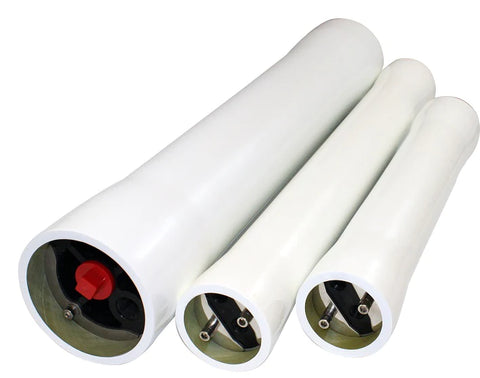
For applications requiring higher water purity, reverse osmosis (RO) systems provide advanced treatment, substantially reducing dissolved salts and many other constituents that standard filtration cannot effectively address, producing lower-TDS water for selected applications.
Reverse osmosis is commonly used for:
- Premium drinking water stations
- Specialty coffee programs
- Beverage preparation
- Ice production
- Final-rinse or glassware-rinsing applications
Hotels, resorts, and restaurants that prioritize beverage quality often use reverse osmosis to deliver more consistent results across multiple locations. For coffee, drinking water, and beverage applications, final mineral content should be matched to the equipment and flavor objective. Blending or remineralization may be needed, since extremely low-mineral water is not always desirable for taste or equipment compatibility.
Properties comparing options by scale should see Choosing the Right Reverse Osmosis System for Residential vs. Commercial Customers for guidance on matching capacity to property size, and Commercial Reverse Osmosis Systems to browse available units.
Pre-Treatment and Post-Treatment Considerations
The most effective hotel water treatment systems are designed as integrated solutions rather than standalone technologies. Pretreatment and post-treatment stages help maximize performance, improve reliability, and extend equipment service life.
| Treatment Stage | Purpose |
|---|---|
| Pretreatment | Removes sediment, chlorine, and other contaminants that could damage downstream equipment such as water softeners or reverse osmosis membranes. |
| Post-Treatment | Enhances finished water quality through processes such as remineralization, UV disinfection, or specialty polishing filtration. |
For more on why this step matters, see Why Pre-Filtration Is Important for a Reverse Osmosis System.
A comprehensive water treatment strategy evaluates the entire water system, from incoming municipal supply to final point of use, to ensure consistent water quality, equipment protection, and an exceptional guest experience.
Application-Specific Water Treatment Guidance
Achieving consistent water quality across a hospitality property requires more than a single treatment solution. Different operational areas place unique demands on water systems, and each application benefits from a tailored approach.
From commercial kitchens and beverage programs to guest rooms and central utility systems, matching the right water treatment technology to the specific use case helps maximize equipment performance, reduce operating costs, and enhance the overall guest experience.
Water Treatment for Kitchens and Dishwashers
Commercial kitchens rely heavily on water quality for food preparation, sanitation, and equipment performance. Hard water and sediment can reduce efficiency, increase maintenance requirements, and negatively affect cleaning results.
Common kitchen equipment affected by poor water quality includes:
- Dishwashers
- Steamers
- Combi ovens
- Food preparation equipment
- Water heaters
Scale buildup inside heating elements and water lines can reduce energy efficiency and lead to premature equipment failure. In addition, water containing chlorine or other impurities may affect the flavor of ingredients and finished menu items.
A combination of commercial water softening and targeted water filtration helps protect kitchen equipment, improve cleaning performance, and support consistent food quality. For many hospitality operations, kitchen water treatment delivers measurable operational savings while reducing equipment downtime. Properties can also browse solutions built specifically for food service applications.
Solutions for Beverage Stations and Ice Machines
Beverage quality is often one of the most noticeable indicators of water quality for guests. Whether serving coffee, tea, fountain beverages, cocktails, or drinking water, the quality of the source water directly affects taste, appearance, and consistency.
Ice machines and beverage systems are particularly sensitive to:
- Chlorine and chloramines
- Sediment
- Dissolved minerals
- Scale buildup
- Off-tastes and odors
Poor water quality can produce unexpected taste, odor, scale, or inconsistent ice appearance, along with increased maintenance requirements. These issues often lead to guest complaints and can negatively affect food and beverage revenue.
Multi-stage filtration systems, carbon filtration, and reverse osmosis solutions are commonly used to improve beverage quality and protect equipment. Appropriate treatment can improve taste, reduce scale, and, depending on machine design and operating conditions, improve ice appearance and equipment performance.
Water Quality in Guest Rooms and Laundry
Guest rooms represent one of the most important touchpoints in the hospitality experience, and water quality can significantly influence guest comfort and satisfaction.
Common guest room water concerns include:
- Soap scum and mineral residue
- Soap residue, reduced lather, or an undesirable bathing feel associated with hard water
- Fixture spotting and staining
- Unpleasant taste or odor in tap water
Water softening systems help reduce hardness-related issues, improving bathing experiences while protecting plumbing fixtures and shower equipment.
Laundry operations also benefit significantly from improved water quality. Soft water enhances detergent efficiency, supports brighter linens, and reduces mineral buildup in washing equipment. This can lower chemical consumption, reduce maintenance requirements, and extend the life of both linens and laundry assets.
For hotels seeking to elevate guest satisfaction while controlling operating expenses, guest room and laundry water treatment often provide substantial long-term value.
Central Plant Considerations for Large Hotels
In large hotels, resorts, convention properties, and mixed-use hospitality facilities, the central plant serves as the foundation of the entire water infrastructure. Boilers, cooling systems, water heaters, distribution networks, and other mechanical systems depend on properly treated water for efficient operation.
Key challenges commonly include:
- Scale formation
- Corrosion
- Sediment accumulation
- Reduced heat-transfer efficiency
- Equipment degradation
Without effective water management, these issues can increase energy consumption, shorten equipment service life, and contribute to costly repairs or service interruptions.
Comprehensive central plant water treatment programs often incorporate:
- Water softening
- Side-stream filtration
- Chemical treatment programs
- Corrosion control
- Continuous water quality monitoring
For large hospitality properties, proactive water management protects critical infrastructure, improves operational reliability, and helps maintain uninterrupted guest services across hundreds or even thousands of daily water-use points. Facility teams sizing equipment for a large property may find 5 Factors to Consider When Sizing an Industrial Reverse Osmosis System useful for planning capacity ahead of renovations or expansions.
Evaluating and Implementing Water Treatment Systems
Selecting the right water treatment system is a strategic decision that affects guest satisfaction, operational efficiency, equipment reliability, and long-term operating costs. Successful implementation starts with understanding your property's unique water quality challenges and matching them with solutions that support both current needs and future growth.
Rather than focusing on a single piece of equipment, hospitality operators should evaluate water treatment as part of a comprehensive water management strategy designed to protect assets, improve performance, and maintain consistent water quality throughout the property.
Assessing Current Water Quality and Equipment Needs
Before investing in any water treatment solution, it is essential to understand the characteristics of the incoming water supply and how it affects daily operations.
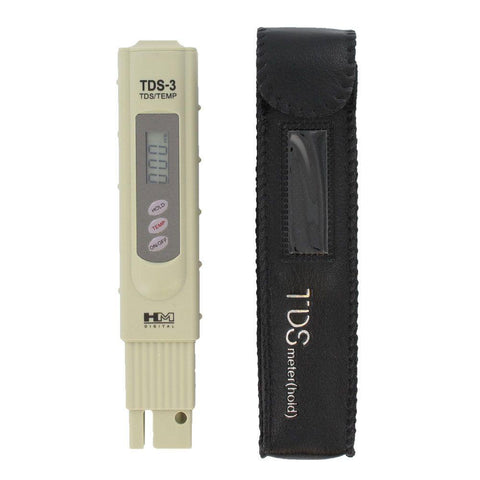
A professional water assessment typically evaluates water hardness levels, chlorine and chloramine concentrations, sediment and particulate content, iron and manganese levels, total dissolved solids (TDS), pH, and potential microbial concerns. Depending on the property, additional testing may include alkalinity, conductivity, sulfate, chloride, silica, nitrate, copper, lead, temperature, corrosion indices, microbial testing, and disinfectant residual. Testing should be selected according to the source water, property systems, symptoms, local requirements, and intended treatment technologies.
In addition to water testing, operators should review equipment performance across the property. Frequent maintenance issues, scale buildup, corrosion, inconsistent beverage quality, stained fixtures, or shortened service life often indicate underlying water quality problems.
By combining water analysis with an equipment assessment, hotels and restaurants can develop a data-driven water treatment strategy that addresses the root causes of operational challenges rather than simply treating symptoms.
Choosing the Right Water Treatment Solutions
The most effective water treatment systems are designed around specific operational requirements rather than a one-size-fits-all approach.
Different water quality challenges typically call for different technologies to evaluate, though final selection depends on site-specific testing and system design:
| Water Quality Challenge | Common treatment approaches to evaluate |
|---|---|
| Chlorine taste and odor | Activated carbon filtration |
| Hard water and scale buildup | Commercial water softening |
| Sediment and particulate matter | Mechanical filtration |
| High dissolved solids | Reverse osmosis systems |
| Iron and manganese contamination | Specialty media filtration |
| Microbial concerns | UV disinfection or secondary treatment systems |
Many hospitality properties benefit from combining multiple treatment technologies into an integrated water treatment system.
For example, a hotel may use point-of-entry filtration and water softening throughout the property while installing reverse osmosis systems at beverage stations and drinking water locations.
Working with experienced commercial water treatment professionals helps ensure proper system sizing, equipment selection, and long-term performance. For help selecting the right RO membrane for a given application, see How to Choose the Right RO Membrane for Your Application.
Planning for Maintenance and System Upgrades
Even the most advanced water treatment systems require ongoing maintenance to deliver consistent results. Without routine service, filtration media becomes exhausted, equipment efficiency declines, and water quality can deteriorate over time.
An effective maintenance program typically includes:
- Scheduled filter replacements
- Water softener inspections and regeneration monitoring
- Reverse osmosis membrane maintenance
- Water quality testing
- Equipment performance reviews
- Preventive service inspections
Hospitality operators should also plan for future growth and changing operational requirements. Renovations, property expansions, increased occupancy, and changes in municipal water quality may require system modifications or upgrades. When systems underperform or need diagnosing, Troubleshooting Common Issues in Reverse Osmosis Systems covers the most common causes of reduced output and water quality problems.
A proactive maintenance and upgrade strategy helps maximize equipment service life, maintain water quality standards, and protect the return on investment associated with water treatment infrastructure.
More importantly, it ensures guests continue to receive the consistent, high-quality experience they expect throughout their stay.
Business Outcomes of Improved Water Quality
Investing in water treatment systems delivers benefits that extend well beyond water quality itself. For hotels, resorts, and restaurants, improved water management can reduce operating expenses, protect critical assets, minimize service disruptions, and strengthen guest satisfaction.
When water quality issues are addressed proactively, hospitality operators often experience measurable improvements in efficiency, equipment performance, and overall guest experience. These operational advantages can contribute directly to profitability while helping maintain the standards guests expect from modern hospitality brands.
Reducing Maintenance and Replacement Costs
Poor water quality can significantly increase maintenance expenses throughout a hospitality property. Hard water, sediment, and corrosive conditions place additional stress on equipment, resulting in more frequent repairs and shorter equipment lifecycles.
Commonly affected assets include:
- Water heaters
- Boilers
- Ice machines
- Dishwashers
- Coffee equipment
- Laundry systems
- Plumbing fixtures
Scale buildup reduces efficiency and forces equipment to work harder, while corrosion can damage internal components and distribution systems. Over time, these issues lead to higher repair costs and earlier equipment replacement.
Implementing appropriate water treatment solutions, such as water softening, filtration, and corrosion control, helps protect valuable equipment investments. By reducing wear and minimizing preventable failures, hospitality operators can lower maintenance costs while extending the useful life of critical assets.
Minimizing Service Disruptions and Downtime
Reliable operations are essential to delivering a consistent guest experience. Equipment failures caused by water quality issues can create service interruptions that affect both guests and staff.
Examples may include:
- Ice machine failures during peak service periods
- Dishwasher downtime in restaurant operations
- Boiler performance issues affecting guest comfort
- Laundry system interruptions impacting room turnover
- Beverage equipment failures affecting food and beverage service
These disruptions can increase labor costs, create operational inefficiencies, and negatively impact guest satisfaction.
A properly designed water treatment system helps reduce the likelihood of unexpected failures by addressing the underlying causes of scale buildup, corrosion, and contamination. Consistent water quality supports more reliable equipment performance, helping hospitality teams maintain smooth operations and avoid unnecessary downtime.
Enhancing Guest Satisfaction and Reducing Complaints
Guest expectations continue to rise, and water quality plays a larger role in the guest experience than many operators realize. From the moment guests pour a glass of water, order a beverage, take a shower, or use in-room amenities, water quality influences their perception of the property.
Common guest complaints associated with poor water quality include:
- Unpleasant taste or odor in drinking water
- Cloudy ice
- Stained fixtures
- Water spots on glassware
- Poor shower experience
- Perceived cleanliness concerns
These issues can affect online reviews, guest satisfaction scores, and repeat booking rates.
By delivering cleaner, better-tasting water and maintaining well-functioning equipment throughout the property, hospitality businesses can create a more positive and consistent guest experience. Improved water quality helps reinforce perceptions of cleanliness, quality, and attention to detail, factors that often influence guest loyalty and brand reputation.
Impact of Water Quality on Guest Experience
Water quality influences nearly every stage of the guest journey, often in ways that go unnoticed until a problem arises. While guests may not think about a property's water treatment system, they quickly notice unpleasant tastes, cloudy ice, stained fixtures, or inconsistent water pressure.
These seemingly small issues can shape perceptions of cleanliness, comfort, and overall service quality.
For hospitality operators, maintaining high water quality is not simply a facility management concern—it's an important component of delivering a consistent and memorable guest experience.
Guest Perceptions and Online Reviews
Guest expectations continue to evolve, and online reviews often reflect the smallest details of a stay. Water quality can directly influence how guests perceive a property's cleanliness, maintenance standards, and overall quality.
Common water-related concerns that appear in guest feedback include:
- Poor-tasting tap water
- Unpleasant odors
- Cloudy or low-quality ice
- Stained bathroom fixtures
- Water spots on glassware
- Inconsistent shower performance
While a single issue may seem minor, repeated guest experiences can affect review scores and brand perception over time.
Consistently delivering clean, high-quality water throughout the property helps reinforce positive guest impressions and supports stronger online reviews.
In competitive hospitality markets, attention to operational details like water quality can contribute to higher guest satisfaction and increased guest loyalty.
Operational Costs Related to Water Issues
Water quality challenges often create hidden costs that impact day-to-day operations. Hard water, sediment, corrosion, and contamination can increase resource consumption while reducing the efficiency of critical systems.
Common cost drivers include:
- Increased energy usage from scale buildup
- Higher maintenance expenses
- Additional cleaning requirements
- Increased detergent and chemical consumption
- Frequent equipment servicing
- Premature component replacement
These expenses may accumulate gradually, making them difficult to identify without a structured water management program.
Implementing appropriate water treatment solutions helps improve system efficiency, reduce waste, and support more predictable operating costs. For many hotels and restaurants, these long-term savings help offset the investment in water treatment infrastructure.
Effects on Equipment Lifespan and Maintenance
Hospitality facilities depend on a wide range of water-using equipment that operates continuously throughout the day. Water quality has a direct impact on how efficiently these systems perform and how long they remain in service.
Equipment commonly affected by poor water quality includes:
- Ice machines
- Dishwashers
- Boilers
- Water heaters
- Coffee brewers
- Steamers
- Laundry equipment
Scale accumulation, corrosion, and sediment buildup can restrict water flow, reduce efficiency, and increase mechanical wear. Over time, these conditions contribute to more frequent repairs and shorter equipment lifecycles.
By improving water quality through filtration, water softening, reverse osmosis, and other treatment technologies, hospitality operators can help protect equipment performance and reduce maintenance demands.
This proactive approach supports operational reliability while maximizing the value of capital equipment investments.
Types of Water Treatment Solutions for Hotels
Guest Experience and Brand Perception
Water quality shapes guest impressions at moments operators don't always think about: the first glass of water, the morning shower, coffee at breakfast, the clarity of ice, and the condition of bathroom fixtures. Guests may not know the technical cause when something feels off, but they notice, and these details often surface in online reviews. Common water-related concerns in guest feedback include poor-tasting tap water, unpleasant odors, inconsistent ice appearance, stained fixtures, and water spots on glassware. Consistently delivering well-treated water helps support stronger guest impressions and can contribute to more positive reviews over time.
Equipment Protection and Operating Costs
Poor water quality can increase operating costs in ways that aren't always obvious. Hard water and scale buildup can raise energy use in water heaters and boilers, while corrosion and sediment can damage plumbing, fixtures, and equipment components over time. Commonly affected assets include water heaters, boilers, ice machines, dishwashers, coffee equipment, and laundry systems. Appropriate water treatment — such as softening, filtration, and corrosion control, can help reduce these avoidable costs and protect equipment investments, though results vary by source water and system design.
Reliability, Maintenance, and Downtime
Equipment failures tied to water quality can create service disruptions at the worst possible times, such as an ice machine failure during an event, a scaled-up dishwasher during a rush, or a boiler issue during peak occupancy. Reliable water treatment can help reduce the likelihood of these failures by addressing scale, corrosion, and contamination at the source. A documented maintenance program, including scheduled filter replacements, softener inspections, RO membrane servicing, and routine water testing, helps protect the reliability of these systems and supports more predictable operations.
Conclusion: Hotel Water Treatment Systems & Solutions to Improve Guest Experience
Water quality plays a direct role in both hospitality operations and guest satisfaction. From beverage quality and ice production to laundry performance, equipment reliability, and guest room comfort, nearly every part of the guest experience is influenced by the water moving through the property.
Hotels, resorts, and restaurants that invest in effective water treatment systems are better positioned to reduce maintenance costs, extend equipment service life, improve operational efficiency, and deliver a more consistent guest experience.
Whether the challenge is hard water, chlorine taste and odor, scale buildup, corrosion, or high-purity water requirements, the right combination of filtration, water softening, reverse osmosis, and water management solutions can create meaningful long-term value.
The most effective hospitality water treatment strategies start with a clear assessment of site-specific water quality issues and operational demands. From there, properties can implement solutions tailored to their kitchens, guest rooms, laundry operations, central plant systems, and guest-facing water applications.
By taking a proactive approach to water management, hospitality operators can protect critical infrastructure, support compliance efforts, and create an environment that better matches guest expectations. Cleaner, more consistent water supports stronger day-to-day performance, fewer disruptions, and a more polished brand experience across the property.
AXEON Water Technologies engineers and manufactures commercial membrane-filtration systems, membrane elements, housings, and related equipment. Through AXEONSupply.com, hospitality operators, contractors, dealers, and facility teams can source AXEON products and selected third-party water-treatment components for beverage, kitchen, laundry, utility, and other commercial applications. AXEON products may be incorporated into hospitality water-treatment systems, but building-water safety, cooling-tower programs, pool and spa management, chemical-treatment programs, and regulatory compliance may require qualified local specialists. Learn more about our team, or request a quote for applicable commercial filtration, membrane, pretreatment, and replacement-component needs.
Frequently Asked Questions About Hotel Water Treatment Systems
What is the best water treatment system for a hotel?
The best water treatment system depends on the property's water quality challenges, operational requirements, and guest experience goals. Many hotels use a combination of water filtration, water softening, and reverse osmosis systems to address issues such as hard water, chlorine taste and odor, sediment, and dissolved contaminants.
Why do hotels need water softeners?
Hotels often use commercial water softeners to reduce scale buildup caused by calcium and magnesium in hard water. Water softening helps protect equipment, improve energy efficiency, reduce maintenance costs, and enhance guest experiences in showers, laundry operations, and food service applications.
How does water quality affect guest satisfaction?
Water quality affects drinking water taste, beverage quality, ice clarity, bathing comfort, fixture appearance, and overall perceptions of cleanliness. Poor water quality can lead to guest complaints, negative reviews, and increased maintenance issues, while consistent water quality helps support a positive guest experience.
Is reverse osmosis necessary for hotels?
Reverse osmosis is not required for every application, but it is often used where high-purity water is important, such as premium drinking water stations, coffee programs, beverage preparation, and ice production. Many hospitality properties use reverse osmosis selectively alongside other water treatment technologies.
How often should hotel water treatment systems be maintained?
Maintenance schedules vary depending on system type, water quality conditions, and usage levels. Most systems require routine inspections, filter replacements, water quality testing, and preventive maintenance to ensure consistent performance and protect equipment investments.