


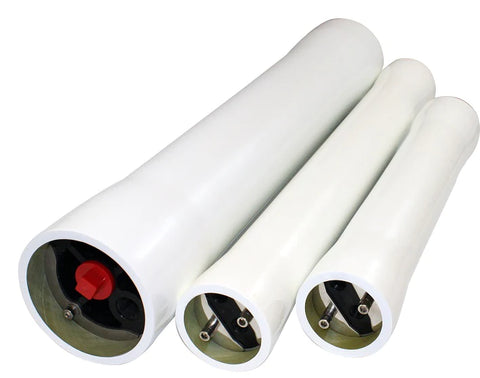



RO membrane selection requires matching 3 key factors to the correct membrane type: feed water TDS level, required flow rate, and operating pressure. This guide provides water treatment dealers with a 5-minute selection method for choosing the right RO membrane for your system. AXEON SUPPLY manufactures 9 membrane categories engineered for specific applications, from residential to seawater desalination. Dealers reduce membrane selection time from 15-25 minutes to under 5 minutes by following this structured approach. Correct membrane selection eliminates 60% of callback issues and protects dealer margins by preventing premature membrane failure and warranty claims.
What Are the 9 Types of RO Membranes for Water Treatment Systems?
There are 9 primary RO membrane types, each engineered for specific TDS ranges and applications. AXEON SUPPLY manufactures membranes across all categories to match dealer installation requirements.
- Residential RO Membranes - 50-500 GPD capacity, municipal water feed, 96-98% salt rejection, operates at 60-70 psi for under-sink systems.
- Tap Water RO Membranes - HF1, HF4, HF5 series operating at 80-150 psi, handles 500-10,000 TDS, delivers 98.5-99% rejection for commercial applications.
- Brackish Water RO Membranes - 1,000-10,000 ppm TDS feed water, industrial and agricultural applications, require 150-225 psi operating pressure.
- Sea Water RO Membranes - Above 10,000 ppm TDS, high-pressure applications exceeding 600 psi, designed for coastal desalination systems
- Low Fouling RO Membranes - Challenging feed water with high organic content reduces cleaning frequency by 40-50%
- Nanofiltration Membranes - Selective softening applications, 200-12,000 GPD capacity, partial salt rejection for specific mineral removal
- Specialty Membranes - Custom applications including high-temperature operation, unique water chemistry, and non-standard configurations
- Replacement OEM Membranes - Direct equipment compatibility for existing systems, maintains original manufacturer specifications.
- DuPont Filmtec Membranes - Industry-standard polyamide thin-film composite, 98-99.75% rejection across multiple sizes and configurations
How Do You Match RO Membrane Type to Feed Water Source?
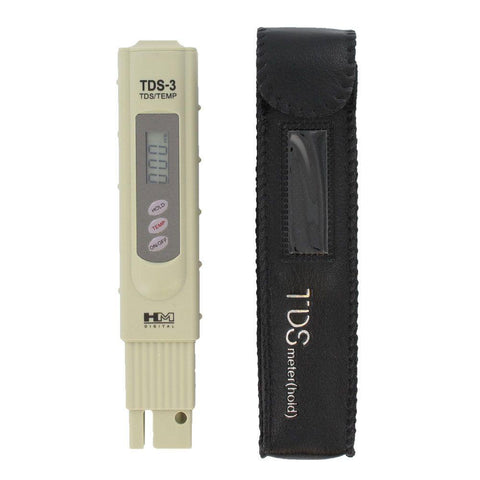
Feed water TDS level determines membrane type selection across 4 distinct ranges, each requiring specific membrane technology and operating pressure. Test feed water TDS before choosing the right RO membrane for your system to prevent premature membrane failure.
Low TDS (0-500 ppm): Tap water RO membranes from AXEON SUPPLY's HF5-Series operate at 80 psi and deliver 98.5% rejection with maximum energy savings. HF5-Series membranes reduce operating costs by 30-40% compared to standard pressure membranes.
Medium TDS (500-2,000 ppm): HF1-Series membranes operate at 150 psi with 99% salt rejection for municipal and commercial applications. This series provides the most versatile performance range for dealer inventory optimization.
High TDS (2,000-10,000 ppm): Brackish water RO membranes or HR3-Series membranes operate at 225 psi with 99.5% rejection for industrial applications and deionization feed preparation.
Very High TDS (10,000+ ppm): Seawater RO membranes handle extreme salinity with operating pressures exceeding 600 psi for coastal desalination systems.
All polyamide membranes require feed water SDI below 5 and zero chlorine exposure. Install carbon block pretreatment with a minimum 5,000-gallon capacity to protect membrane integrity and maintain manufacturer warranty coverage.
What Operating Pressure Does Your System Require?
RO membranes operate across 4 pressure ranges from 80 psi to 225 psi, with lower pressure reducing energy costs by 30-50% compared to standard systems. Pressure selection for the RO membrane for your system impacts operating expenses and component longevity.
Ultra-low pressure (80 psi): AXEON SUPPLY's HF5-Series delivers the lowest operating pressure in the industry with 98.5% salt rejection and 2,500 GPD capacity in 4040 configuration. HF5 membranes reduce pump energy consumption and minimize stress on system fittings.
Extra-low pressure (100 psi): HF4-Series membranes achieve 99% rejection while balancing performance and energy efficiency across commercial applications. This series extends pump lifespan by 20-30% compared to high-pressure operations.
Standard pressure (150 psi): HF1-Series membranes provide 99% rejection and represent the most versatile option for dealer inventory optimization. HF1 membranes cover 70% of standard commercial installations
High pressure (225 psi): HR3-Series membranes deliver 99.5% rejection for maximum salt removal in deionization feed preparation and high-TDS applications requiring superior water quality.
Lower operating pressure extends fitting lifespan, reduces pump requirements, and decreases component replacement frequency by 25-35%.
RO Membrane Quick Selection Table
This table compares the 6 AXEON SUPPLY membrane series by operating pressure, flow rate, salt rejection, and primary application to enable rapid membrane selection at the job site. Dealers use this reference to match system requirements to membrane specifications in under 2 minutes.
| Membrane Series | Pressure (psi) | Flow Rate (GPD) | Salt Rejection (%) | Primary Application |
|---|---|---|---|---|
| HF5-Series | 80 | 225-2,500 | 98.5 | Tap water, ultra-low energy |
| HF4-Series | 100 | 225-2,500 | 99.0 | Tap water, low energy |
| HF1-Series | 150 | 225-2,500 | 99.0 | Tap water, versatile |
| HR3-Series | 225 | 150-2,200 | 99.5 | High TDS, deionization feed |
| TF-Series (Residential) | 60-70 | 50-500 | 98.0 | Home systems, municipal water |
| NE-Series (Encapsulated) | 60 | 50-100 | 96.0 | High recovery (50%), residential |
Flow rates represent performance at 77°F (25°C) with 2.5-inch and 4-inch diameter elements. All AXEON SUPPLY membranes are made in the USA with polyamide thin-film composite construction and ship dry for indefinite shelf life. Maximum operating temperature is 113°F (45°C) across all series.
What Salt Rejection Rate Should You Specify?
Salt rejection rates from 96% to 99.5% correspond to specific applications, with higher rejection increasing membrane cost by 15-25%. Choosing the correct RO membrane rejection rate protects dealer margins.
96% rejection: NE-Series encapsulated membranes handle residential systems with municipal feed water under 300 ppm TDS.
98-98.5% rejection: TF-Series and HF5-Series membranes cover standard residential and light commercial applications with 200-800 ppm TDS feed water.
99% rejection: HF1-Series and HF4-Series membranes serve commercial tap water applications requiring consistent quality across 500-2,000 ppm TDS conditions.
99.5% rejection: HR3-Series membranes address high-purity requirements, including deionization pretreatment and challenging feed water above 2,000 ppm TDS.
Specify the minimum rejection needed for the application to avoid 15-25% cost premiums that reduce dealer profit margins without improving system performance.
How to Optimize Membrane Inventory for Dealer Efficiency
Stock 4-6 core membrane SKUs to cover 85% of installation applications while reducing inventory carrying costs by 20-30%. This dealer's quick guide to RO membranes inventory streamlines procurement and eliminates project delays.
Recommended Core Inventory:
- HF1-4040 (150 psi, 2,500 GPD) - versatile commercial workhorse covering 70% of standard tap water installations
- HF5-4040 (80 psi, 2,500 GPD) - energy-efficient alternative for cost-conscious commercial projects
- TF-1812-100 (residential 100 GPD) - highest residential volume seller for municipal water applications
- HR3-4040 (225 psi, 2,200 GPD) - high-rejection specialty membrane for deionization and high-TDS applications
- Brackish water membrane (application-specific) - regional water condition requirements
- DuPont Filmtec replacement (OEM compatibility) - existing system service and upgrades
This inventory strategy reduces order lead time from 3-14 days to same-day installation capability. Dealers maintain $8,000-$12,000 inventory investment while capturing 85% of market opportunities without backorders or customer delays.
3 Common Membrane Selection Errors That Increase Callbacks
Three selection errors cause 60% of membrane-related service callbacks and increase warranty costs by $200-$800 per system. Dealers avoid these mistakes to protect profit margins and maintain customer satisfaction.
- Ignoring pretreatment requirements - All polyamide membranes require zero chlorine exposure based on 0 ppm chlorine tolerance specifications. Install carbon block filtration with a minimum 5,000-gallon capacity before membrane elements to prevent chemical degradation and maintain warranty coverage.
- Under-sizing flow capacity - Calculate daily demand at 75% of rated GPD to prevent premature fouling and pressure loss. Operating membranes above 75% rated capacity reduces lifespan by 30-40% and increases cleaning frequency from annual to quarterly intervals.
- Overlooking SDI testing - Feed water SDI must stay below 5 for all AXEON SUPPLY polyamide membranes. Exceeding the maximum SDI of 5 reduces membrane life by 40-60% and causes irreversible fouling within 6-12 months of operation.
Conclusion
Choosing the right RO membrane for your system requires matching 3 key factors—feed water TDS level, operating pressure, and salt rejection rate—to application requirements. AXEON SUPPLY manufactures 9 membrane categories, including Residential, Tap Water, Brackish Water, Sea Water, Low Fouling, Nanofiltration, Specialty, Replacement OEM, and DuPont Filmtec membranes. All AXEON SUPPLY membranes are made in the USA with polyamide thin-film composite construction and ship dry for indefinite shelf life. Dealers access full technical specifications, selection tools, and installation support through AXEON SUPPLY's technical team. Contact AXEON SUPPLY at 800-320-4074 or visit axeonsupply.com for dealer resources and membrane inventory optimization guidance.